
"Did we get back to that customer?"
If the answer is a shrug from your team, you know there is a problem.
What is actually going wrong
Requests come in fine but the problem starts once they land with no shared view of what is open, who owns it or where it stands. Nothing is actually lost, it is just invisible.
Everyone is relying on memory, shared inboxes and whoever happens to pick up the phone.
Sounds familiar?
What the Odoo Helpdesk module actually changes
Odoo Helpdesk gives every enquiry a home, i.e. one place where a ticket is logged, assigned, tracked and closed out. Each with a status anyone can check without chasing someone down for an update.
In practice, that means:
- A single point of entry for support requests, instead of enquiries scattered across multiple shared inboxes and phone calls.
- Clear ownership on every ticket, so nothing sits in limbo waiting for someone to notice it.
- Visibility the whole team can see, not just whoever happens to be closest to the issue.
The flow-on effects show up fast:
- Response times drop because tickets are not sitting unseen in someone's inbox waiting to be noticed.
- Nothing gets double-handled because ownership is clear from the moment a ticket lands.
- Your team spends less time on "just checking in" status updates and more time actually resolving issues because anyone can pull up a ticket's status without interrupting someone else's day to ask.
- Fewer things fall through the cracks during busy periods, staff leave or handovers as the ticket lives in the system and not in one person's head or inbox
- You start to see patterns, i.e. which issues come up repeatedly, where response times lag and where the real bottlenecks in your support process actually are.
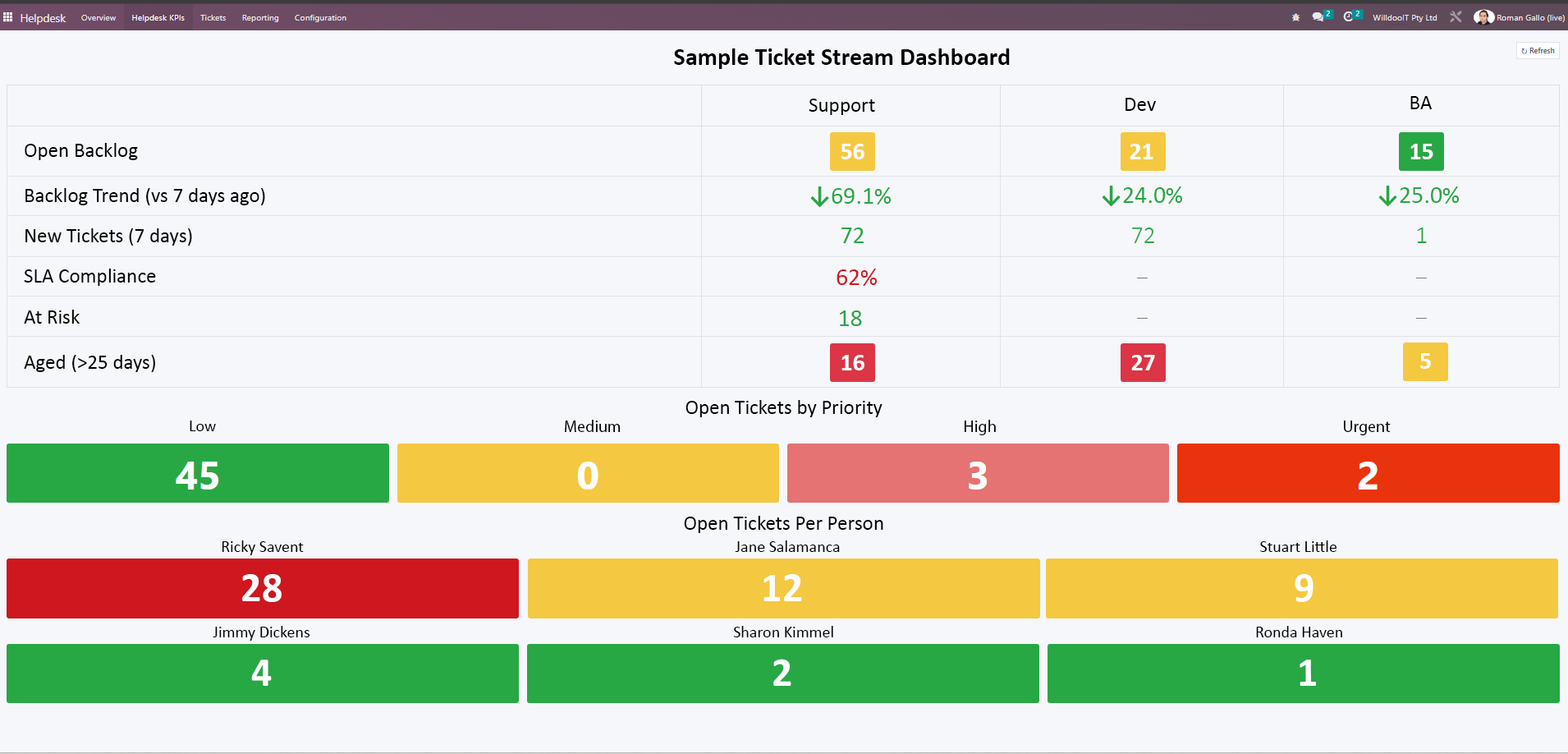
Figure 1: Sample ticket stream dashboard
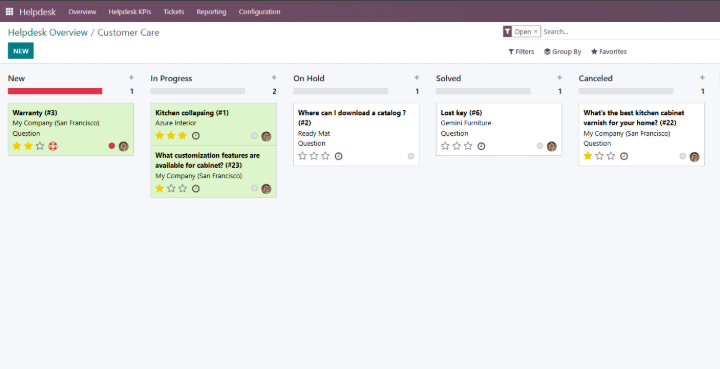
Figure 2: Sample Helpdesk ticket overview screen
How to get it right from day one?
Odoo Helpdesk needs to sit on top of your actual workflows - how tickets should get assigned, what "resolved" means for your team, who needs to see what.
Getting that right from the start comes down to a few things:
- A proper look at your existing setup, so the module fits how you actually work, not just how it works out of the box.
- Hands-on testing against real scenarios, not just the default use case.
- A heads-up to your team on what is changing and when, so it doesn't land as a surprise.
Get this right, and Helpdesk becomes something your team actually trusts and uses. Skip it, and you end up with a system nobody trusts enough to use and right back where you started.
Get in touch with our team if you need help with your Helpdesk and we are happy to talk through how it could look like for your business.